
E-commerce SEO that shows up in
the P&L
I work with Nordic e-commerce teams that already invest in SEO but don't see the impact in checkout. The problem isn't a lack of analysis. It’s that the right moves never get prioritised, and the ones that do never actually ship. I’m here to bridge that gap.

👋 Todd — former in-house SEO lead. Now consulting from your side of the table.
E-commerce SEO that shows up in the P&L
I work with Nordic e-commerce teams that already invest in SEO but don't see the impact in checkout. The problem isn't a lack of analysis. It’s that the right moves never get prioritised, and the ones that do never actually ship. I’m here to bridge that gap.

👋 Todd — former in-house SEO lead. Now consulting from your side of the table.



+82,700
organic clicks in 11 months
→ Seven figures in incremental revenue
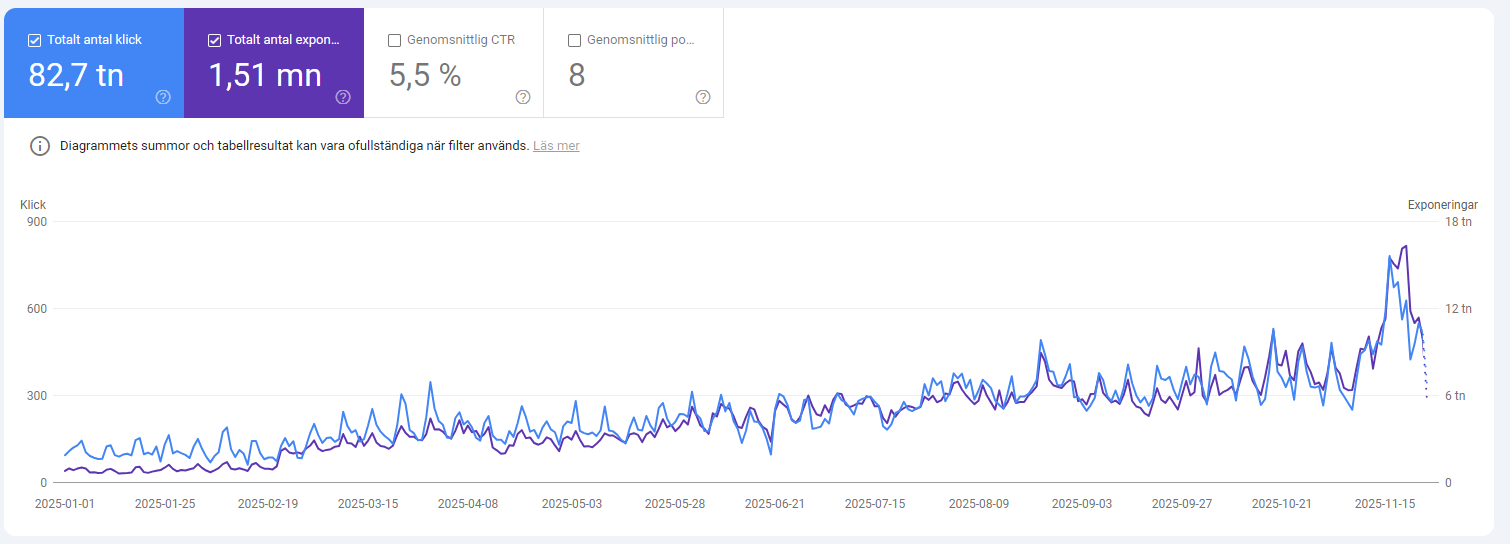
The Content Gap that cost seven figures
How rebuilding 30 pages for intent outpaced 200 pages of generic content.
+42.2%
growth in organic Shopping
→ Even with impressions trending down
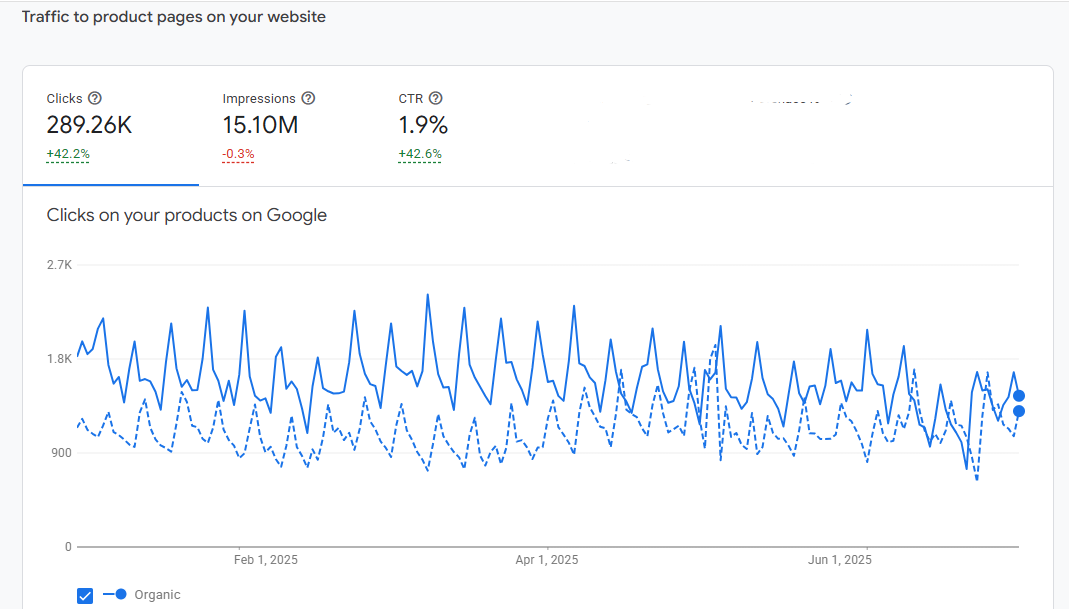
Winning back the margin Google was charging for
How cleaning supplier data stopped us from 'buying back' our own organic customers.
But organically, Shopping was flat. A clear sign that something in the product data wasn't helping Google understand what was actually being sold.
"Stay tuned"
More case studies on the way
Want your brand here?
I take a maximum of 3–4 clients at a time.
Why? So I can own the outcome of every project the same way I did when I was in-house.
Book a sprint assessment →Want to understand how Google AI and AI search are changing what gets chosen?
Fill in the form to download it.
The search landscape has changed. A large part of the buyer journey is now decided before the customer ever lands on your site. Most SEO strategies aren't built for that step. This playbook shows what it means for your e-commerce business and where to start.
- Why ranking alone is no longer enough to get chosen
- Which page types you should prioritise first
- How to test whether your copy answers real buyer questions
- Why SEO, performance and customer service need to work closer together
- What you can measure in AI search — and what you shouldn't pretend to measure
Find where you lose revenue
Not a generic review of "everything". A targeted look at the pages and structures that are costing you organic revenue right now.
I analyse your e-commerce with focus on:
- → Product pages with high buying intent and low visibility
- → Category pages ranking for the wrong queries
- → Technical issues capping crawl and indexation
- → AI visibility: do you show up where buying journeys begin?
The outcome: 3–5 prioritised initiatives that move revenue the most. Not 40.
Not a generic review of "everything". A targeted look at the pages and structures that are costing you organic revenue right now.
I analyse your e-commerce with focus on:
- → Product pages with high buying intent and low visibility
- → Category pages ranking for the wrong queries
- → Technical issues capping crawl and indexation
- → AI visibility: do you show up where buying journeys begin?
The outcome: 3–5 prioritised initiatives that move revenue the most. Not 40.
The sprint gets a tight scope so the work actually ships, instead of being spread across everything at once.
Example scope:
- → 20 product pages with transactional intent
- → 15 category pages with commercial intent
- → Google Shopping feed and product data
- → One specific technical SEO problem
It makes the work fast, clear and shippable. Even for teams already at capacity.
I implement. You skip the project management.
No documents to take home. No lists to distribute internally. I have access to your CMS and execute the work myself or in close dialogue with your team.
- → Product and category pages optimised
- → Internal linking structure updated
- → Technical fixes shipped
- → UX and CRO adjustments on prioritised pages
When the sprint ends we measure what moved.
- → Organic revenue
- → Conversion rate
- → Visibility in search
Then we decide what's next: → run another sprint → pause and measure …or you keep going with what we built. 90- and 120-day sprints follow the same structure — broader scope, deeper implementation. The goal is simple: less "SEO feeling" in your calendar, more revenue in checkout.